
On most construction projects, plumbing stays behind the walls — unnoticed when everything works, highly visible when something goes wrong. Delays rarely begin with dramatic failures. They usually start with small oversights that snowball into larger issues.
Below are the key areas where plumbing planning directly affects your schedule and budget.
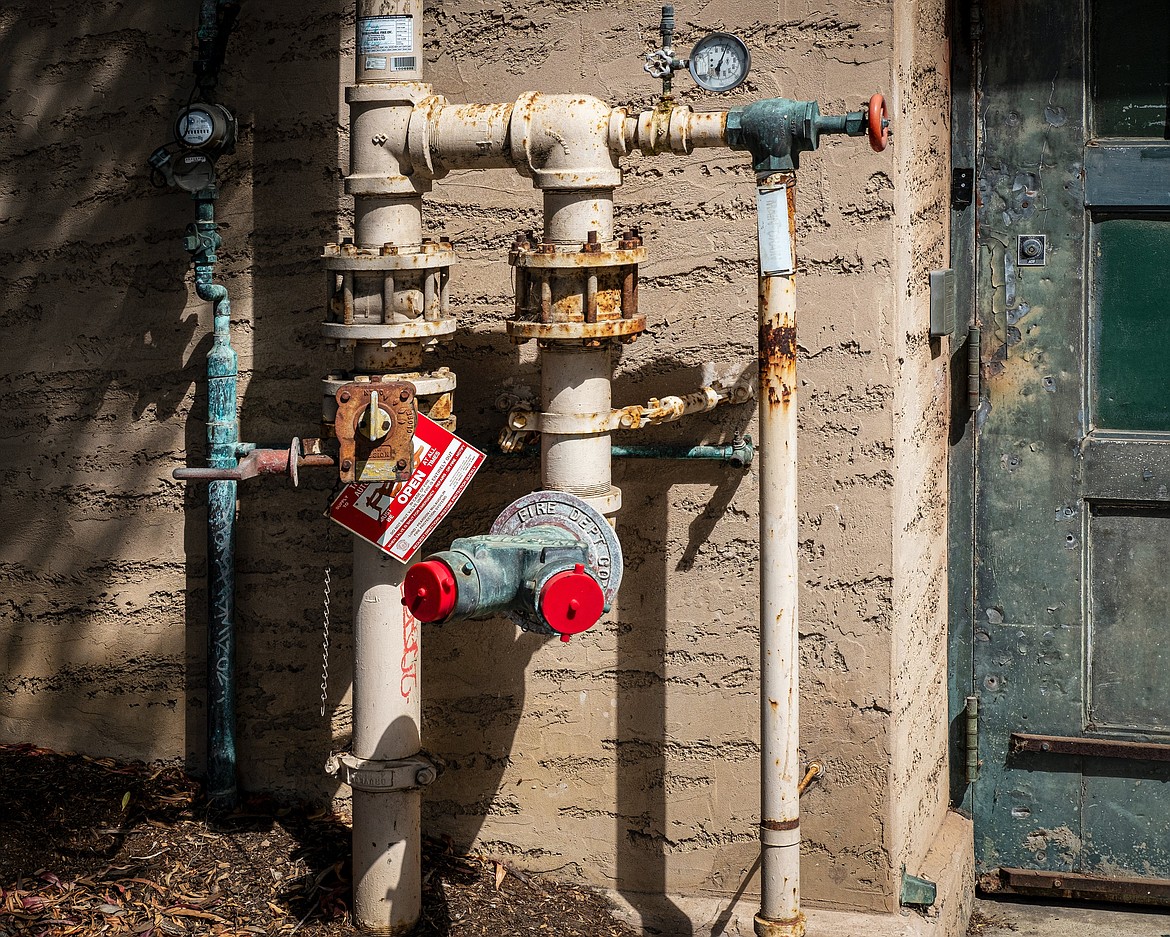
1. Early Coordination Prevents Field Conflicts
Plumbing shares space with structural framing, HVAC, and electrical systems. If drawings aren’t coordinated early, conflicts appear on site — not on paper.
Typical problems include drain lines clashing with ductwork, underestimated shaft space, or pipe routing interfering with framing. These conflicts don’t just create inconvenience. They stop crews, require redesign, and shift timelines.
When plumbing layouts are reviewed alongside other trades during pre-construction, most of these risks disappear before installation begins.
2. Rough-In Work Takes More Than Running Pipe
Rough plumbing is often underestimated. It’s not just installation — it’s layout verification, slope accuracy, pressure testing, and inspection readiness.
When rough-in is rushed to recover time elsewhere in the project, the impact usually appears later. Trim work becomes harder. Adjustments are needed. Final inspections get delayed.
A realistic schedule that respects the technical demands of plumbing reduces downstream corrections and protects handoff dates.
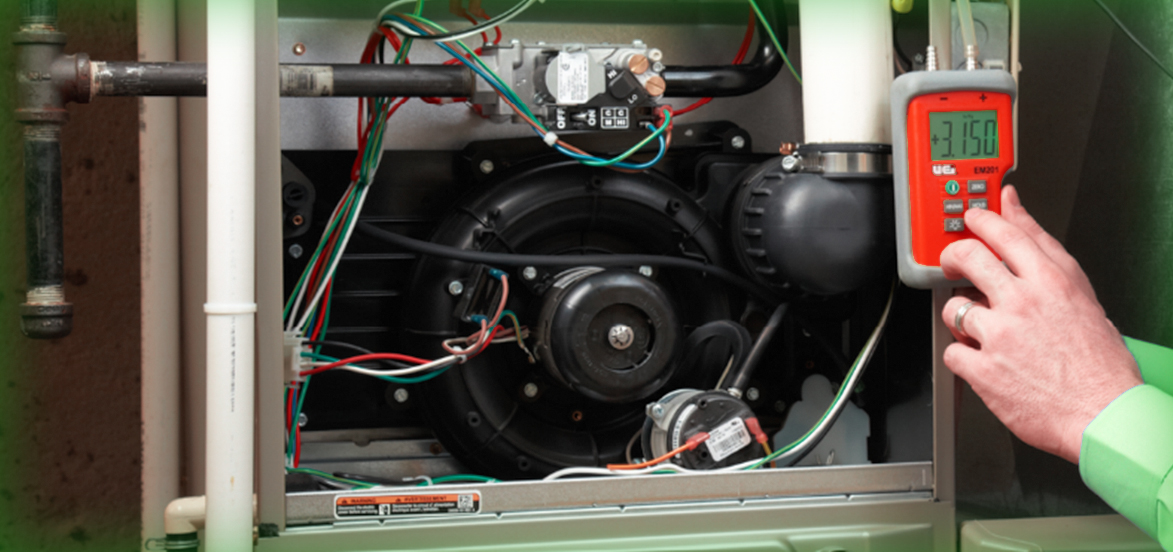
3. Procurement Can Quietly Delay a Project
Material planning plays a bigger role than many expect. Long-lead fixtures, specialty valves, or approved brand requirements can create bottlenecks if not secured early.
A single missing component can pause progress on an entire floor. Coordinated submittals and early procurement reduce that exposure and keep installations moving.
4. Code Compliance Should Be Proactive, Not Reactive
Local plumbing codes vary, and even small deviations can trigger correction notices. Venting details, pipe sizing, fixture clearances — these are technical areas where precision matters.
Addressing compliance during planning is always faster than correcting installations after inspection. Proactive verification protects both schedule and reputation.
5. Clear Communication Keeps Momentum
Strong communication structure is often what separates smooth projects from chaotic ones.
When there is one clear point of contact, updated documentation, and synchronized field teams, progress remains steady. When questions sit unanswered or scope changes aren’t documented, even well-installed systems can slow the project down.
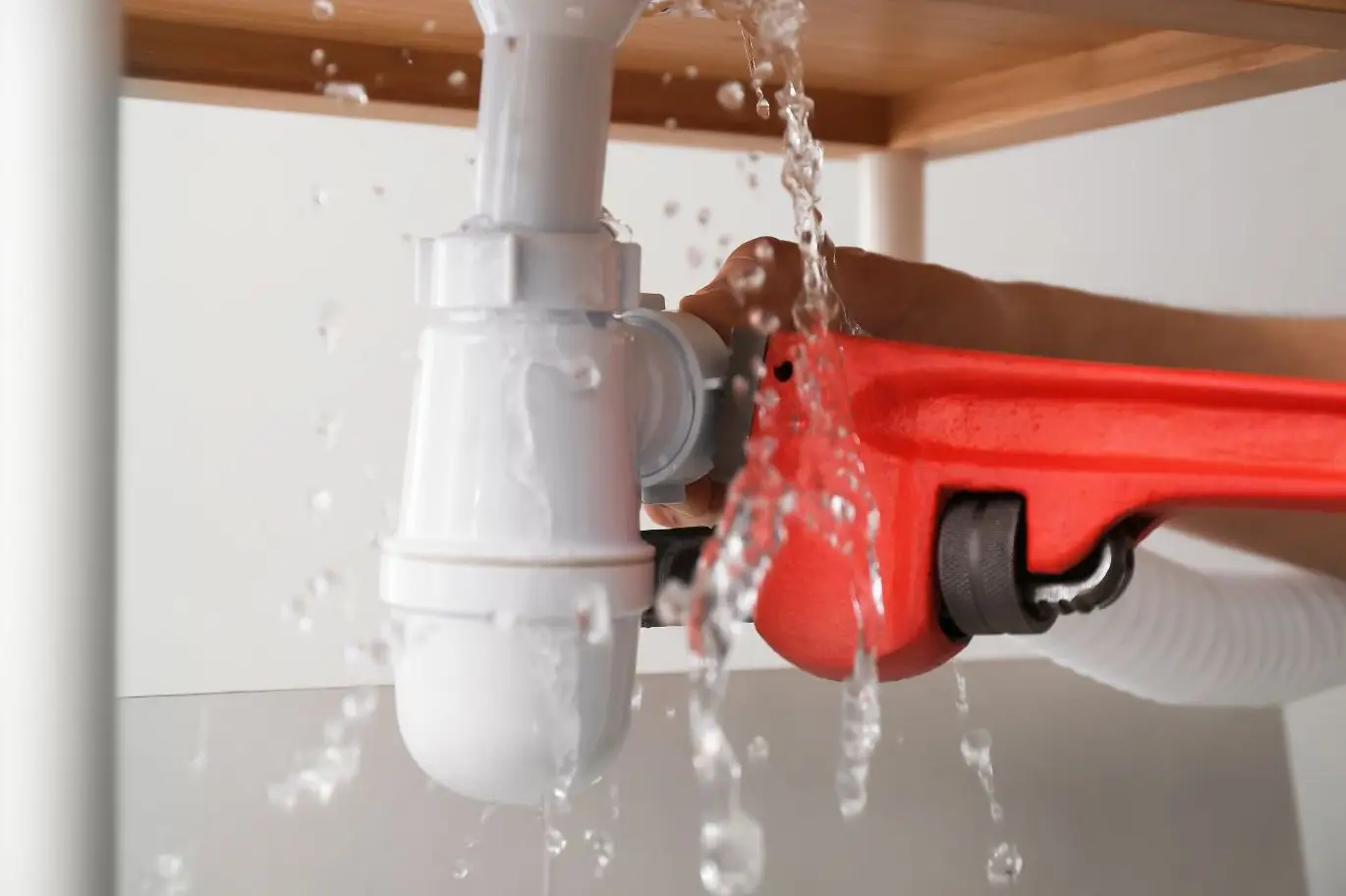
Final Thoughts
Plumbing impacts structural coordination, finishing timelines, inspections, and occupancy approvals. It is one of the systems that influences the entire lifecycle of a building.
When planning is intentional and execution is disciplined, plumbing becomes predictable. And in construction, predictability is what keeps projects on schedule.
.svg)


.svg)
.svg)